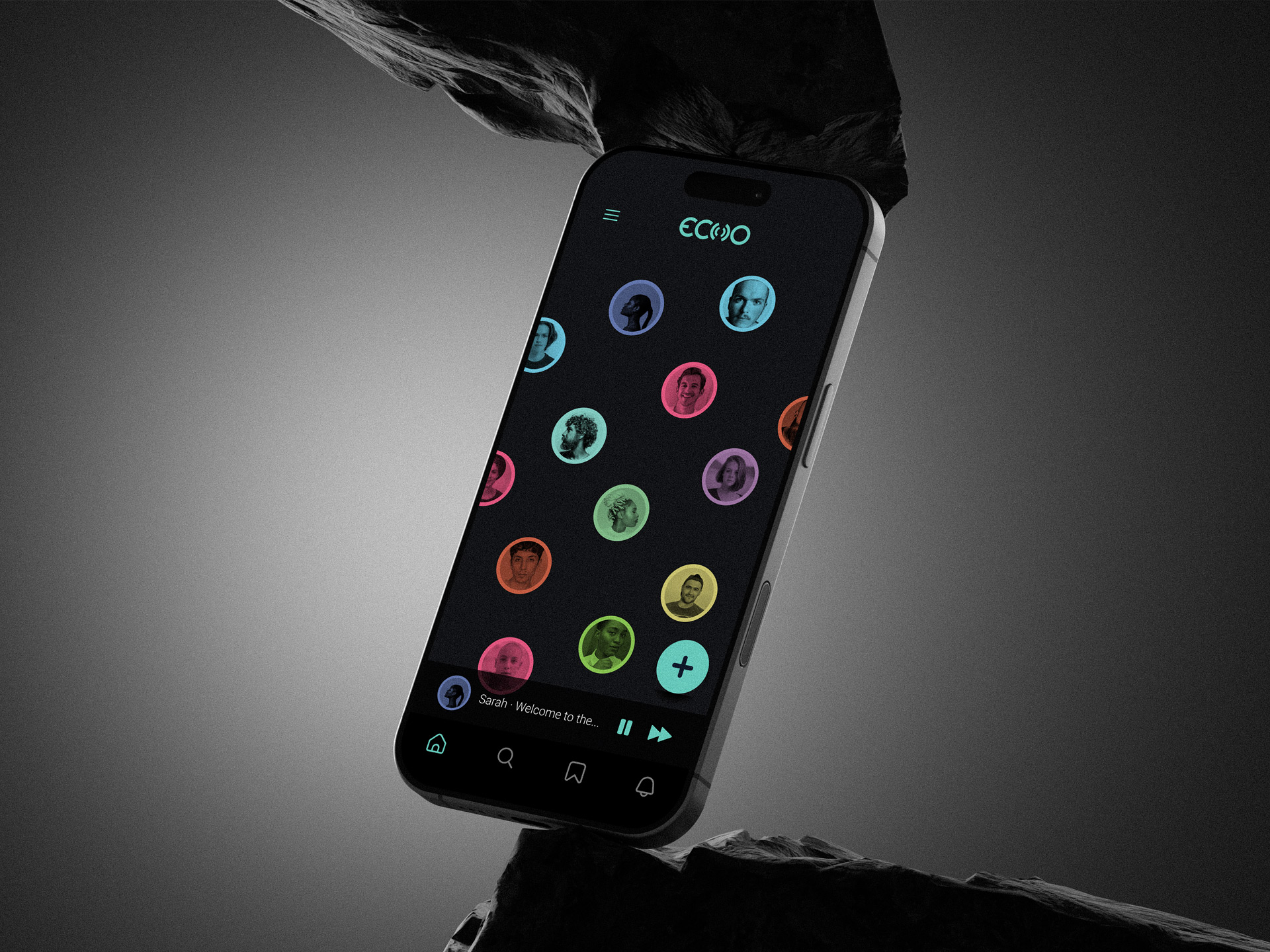
- Co-founders
- 2 James Olden found the investors; I led product and design. We ran every investor meeting together.
- Per echo
- 10 s It started at six.
- To the MVP
- 5 months A team spread across Spain, Argentina and the UK.
- Closed beta
- ~500 People at Google’s London offices.
The bet
In 2013 audio was a second-class citizen on the internet. We believed a voice could carry what text can’t: the feeling behind the words.
The idea was Twitter, but spoken. Put your headphones on and go for a run listening to the echoes of the people who matter to you, or keep them playing while you work: news, jokes, laughter, with a human voice behind every one. James Olden and I co-founded Echo in London to build it.


Decisions
Short on purpose
- We started with
Six seconds. It was the core of our first pitch, and it was very good.
- The problem
It limited too much what people could say.
- So we moved to
Ten seconds.
- Why a limit at all
People had to be concise and work on what they said. The limit made for better content, and nobody could take up everyone else’s time.
A partner, not a provider
- We ruled out
Microsoft, a bit lost with startups back then, with a cloud not yet at full strength, and expensive. And Amazon, which had very good infrastructure, speed and price.
- We chose
Google.
- Why
It offered what nobody else did: an ecosystem, and support and advice inside their London offices. We could build with the Google Assistant engineers, the most advanced voice technology of the time, and every Friday we reviewed progress in their offices.
- Who was there
The personal support of Tom Grey, EMEA Head of Cloud Platform Solutions Engineering, and working alongside Matías Duarte, VP of Design for Android. We also met Evan Spiegel there, who was working with Google on Snapchat.
A voice you can search
- The problem
You can’t search a voice. Without indexing, finding an echo about a topic was impossible.
- We chose
To transcribe every echo and index the voice together with its text, built with the Google Assistant engineers.
- It also meant
Moderation, with different rules in Europe and in other countries, and real legal responsibilities.
Sound like yourself
- Testing showed
In the first user tests one comment kept coming back: “That doesn’t sound like me.”
- Why it happens
A recording sounds higher than the voice you hear inside your own head. People didn’t recognise themselves, and they didn’t want to post.
- So we built
An algorithm that subtly deepened the recorded voice, calibrated separately for men and women, so people were willing to post.
- What it became
Part of Echo’s intellectual property, documented for the sale.
Let it go
- We chose
To sell Echo to Immedia Group, an audio technology company.
- Why
There were serious conflicts between the investors and the management. The investors wanted to sell, and the offer was good.
- What it cost
We never made the public launch. We’ll never know what Echo could have become.
- What lived on
The technology is used today in Immedia’s products, and in products as well known as SoundCloud and HSBC.
Hear the difference
- Why
A recording sounds higher than the voice in your head: your skull carries low frequencies to your ear that a microphone never hears. The filter puts them back.
- What the filter does
-
Dashed: the recording. Blue: what your own head adds.
A recreation of the idea, not Echo’s original algorithm.
How it went
- July 2013Echo starts in London
- Five months laterThe first MVP
- Closed betaAlmost 500 people at Google London
- In the endSold to Immedia Group
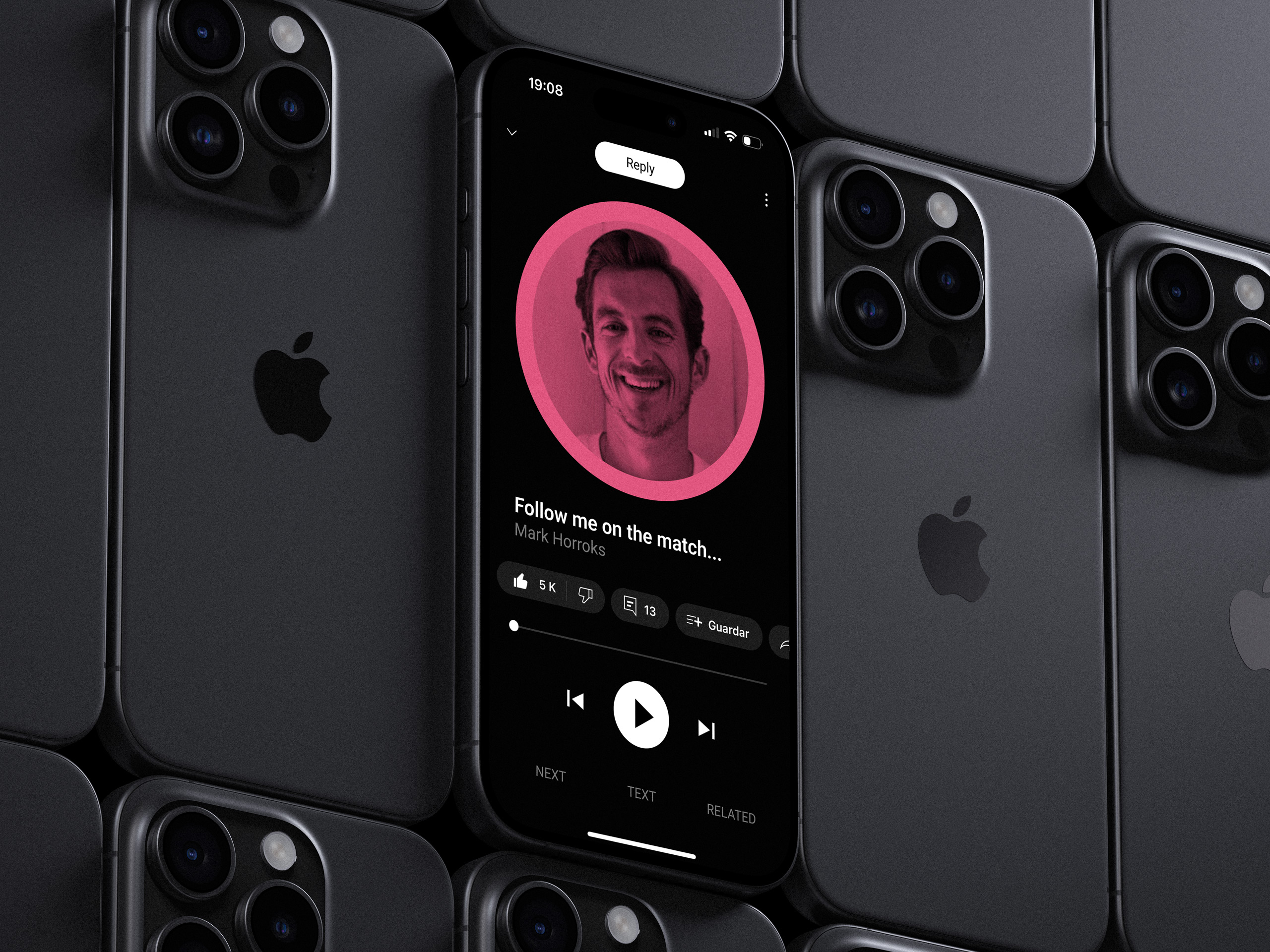
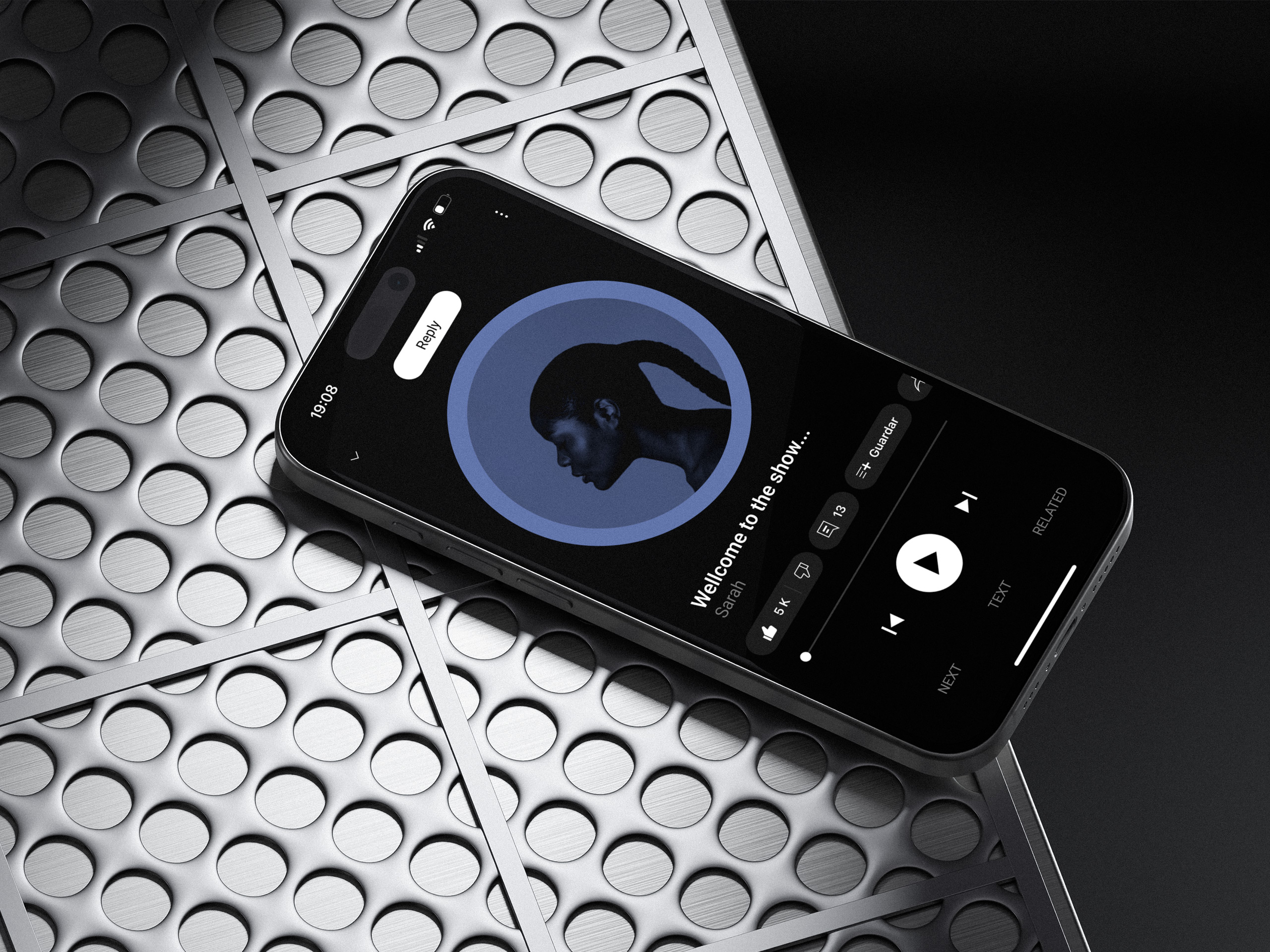
The MVP had the core: record echoes, accounts, friends, and echoes by proximity, so you heard the people around where you lived as well as the ones you knew. We also brought in a group of well-known people in the UK to get traction. At the closed beta, with almost 500 people in Google’s London offices, we pressed the button and the app didn’t work. Half an hour later it did. We never got to the public launch, for reasons that had nothing to do with the product.


What we got wrong
We took too long to launch, and in the end we never did.
The technology we needed didn’t exist yet, so almost everything had to be built from scratch, by a small team, for a very ambitious project, without enough investment. We fought for a great product, and we got one. The time it took is exactly why it never reached people.
If I did it today
Much simpler
A more basic product, with fewer features, but every one of them very, very polished.
Out sooner
Get it to market much faster, instead of waiting until everything was ready.
Less screen
The concept still holds, even more now that we’re moving towards less screen. How machines listen to, transcribe and respect a voice is what conversational AI works on today.
In 2013 the technology wasn’t ready. The idea still holds.

