
- Team
- 2 My brother and me. Idea, design, code and app stores.
- First prototype
- 8 weeks Early April to the end of May 2020.
- Venues
- ~100 Bars and restaurants, 95% in Valencia and 5% in Alicante.
- Downloads
- 10k+ On iOS and Android.
The bet
In 2020 printed menus were banned in Spanish bars and restaurants. Almost everyone replaced them with a QR code on the table.
Scan it and you usually got an A4 PDF, made for paper and hard to read on a phone, in a different format at every restaurant. And a sticker on a table is easy to swap for one that leads somewhere else. My brother and I thought there was a better way, so we built it ourselves, from the first idea to the app stores.

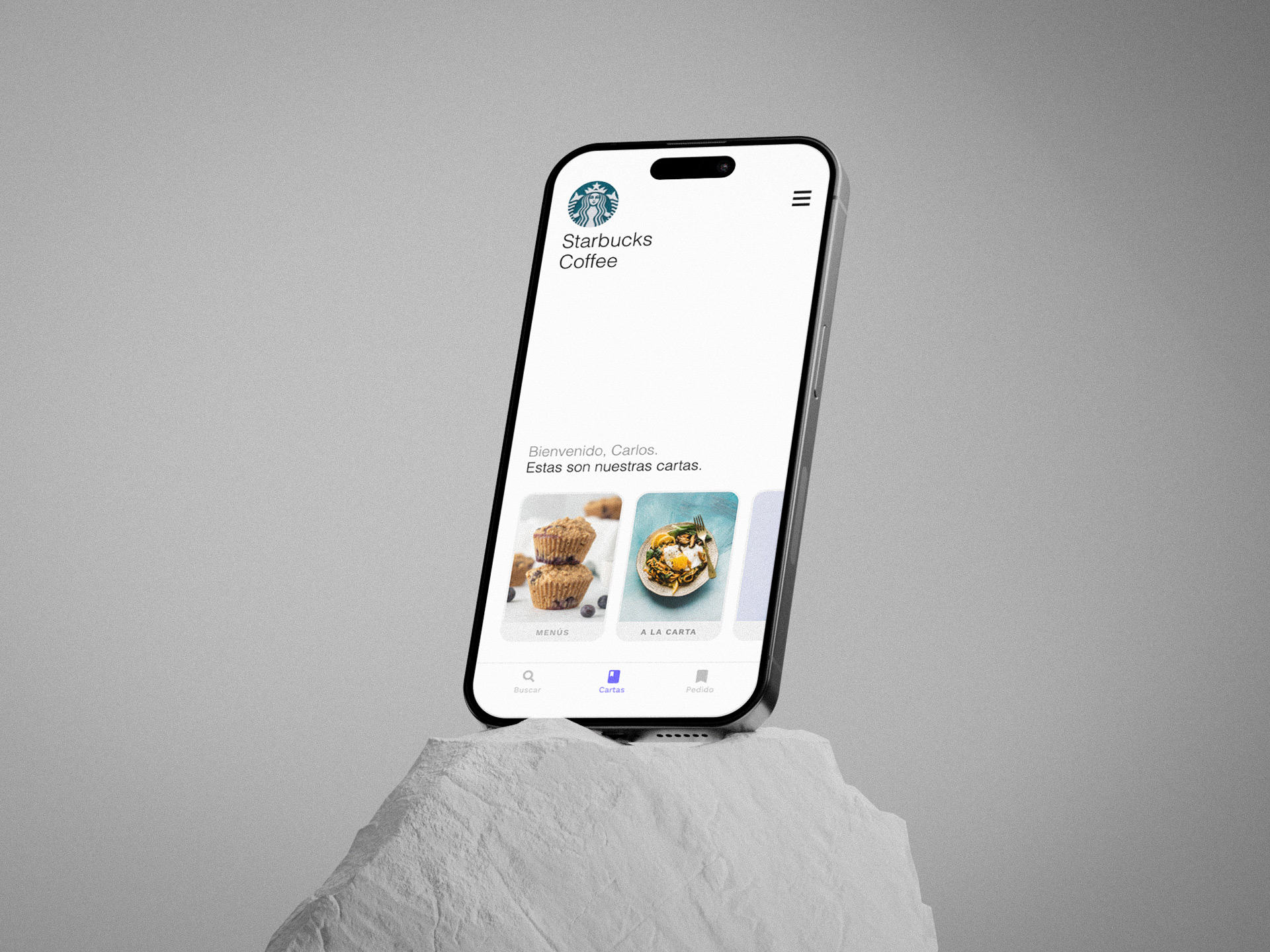
Four decisions
Where you are, not what you scan
- We chose
An app that knows where you are and opens the menu of the place you're sitting in. Nothing to scan and no link to trust.
- We ruled out
A QR code on every table, which is what everyone else did.
- Why
Every QR led somewhere different, usually to a PDF that was a pain to read on a phone. And a code on a table can be replaced by a phishing link. We wanted the menu to be readable, the same everywhere, and safe by default.
- In hindsight
QR codes won anyway. Like VHS against Betamax, the better format doesn't always win.
The menu restaurants actually had
- We started with
Dishes, prices and allergens. At first we didn't give the wine list much thought.
- Testing showed
In remote tests with real bars and restaurants, the wine list mattered a lot to many of them, and it is far more complex than a list of dishes. Places cooking with fresh market produce also changed their dishes every day.
- So we changed
We rebuilt the wine list to handle that complexity, and made every dish editable from the phone, so a menu could change as fast as the market.
Leave the good ideas out
- Left out
- A shortlist to show the waiter
- Delivery
- Advertising
- Dish ratings
- The city's best dishes, ranked
- Why
It's the paradox of complexity: an app that tries to do everything ends up doing everything badly. Once we'd decided this was about helping the sector and not about making money, the choice was easy: build the best experience we could.
- What stayed
The menu of the place you're in, clear and up to date, with nothing else to do.
- The one we planned
Ordering from the app, in case of a second lockdown. It came to Barcelona but never to Valencia, so nobody ordered through Menunow.
Give it an end date
- We chose
To run it for exactly one year, and then switch it off.
- Why
A year was enough to prove the idea and to give restaurants time to find their own solution. My brother and I both had our jobs and projects. We built Menunow to help a sector that had been hit very hard, not to start a company.
- What it cost
There were offers to buy it and requests to keep it going. We said no.
How it went
- Early April 2020The idea
- End of MayFirst prototype ready
- After testingLaunch on iOS, Android and the web
- A year laterSwitched off, as planned
Almost 100 bars and restaurants put their menus on Menunow, 95% of them in Valencia and the rest in Alicante. The app was downloaded more than 10,000 times. Besides the product, I designed the brand and handled the press, including media interviews.

What we got wrong
We underestimated how different restaurants were with technology.
Some had already built their own wine lists on an iPad, with photos. Others couldn't finish signing up because their phone keyboard had switched to emoji and they didn't know how to get the letters back. There was a support email and phone line for exactly that.
If I did it today
Start smaller
Ship a much simpler first version, and let real use decide what comes next.
Easier sign-up
Make signing up simpler. Some restaurants got stuck at the very first step.
The menu from a photo
Getting the menu in, and keeping it up to date, was the hardest part for restaurants. Take a photo of the paper menu or upload the PDF, and let the app do the rest.
The PDF was the wrong way to read a menu, and the right way to get one in.

